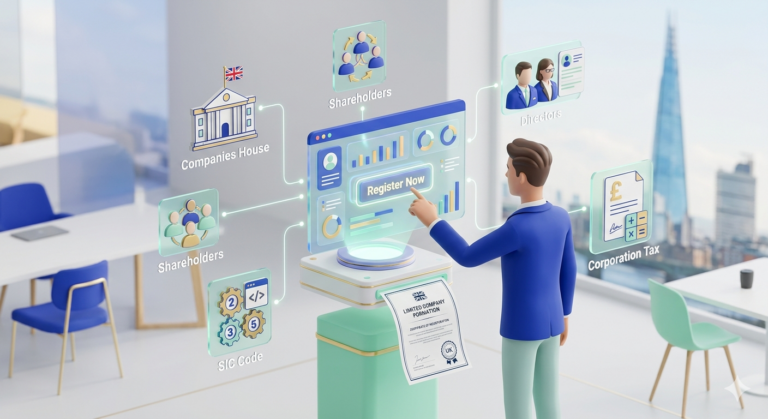
How to Register a Limited Company in the UK: A Step-by-Step Guide for 2026
Setting up a Limited Company is one of the most tax-efficient ways to start a business in the UK. In 2026, the process remains streamlined through Companies House, but understanding the legal requirements is crucial to avoid penalties.
1. Choose Your Business Structure
Most entrepreneurs choose between being a Sole Trader or a Limited Company. While sole traders have fewer administrative burdens, a limited company offers limited liability, protecting your personal assets from business debts.
2. Register with Companies House
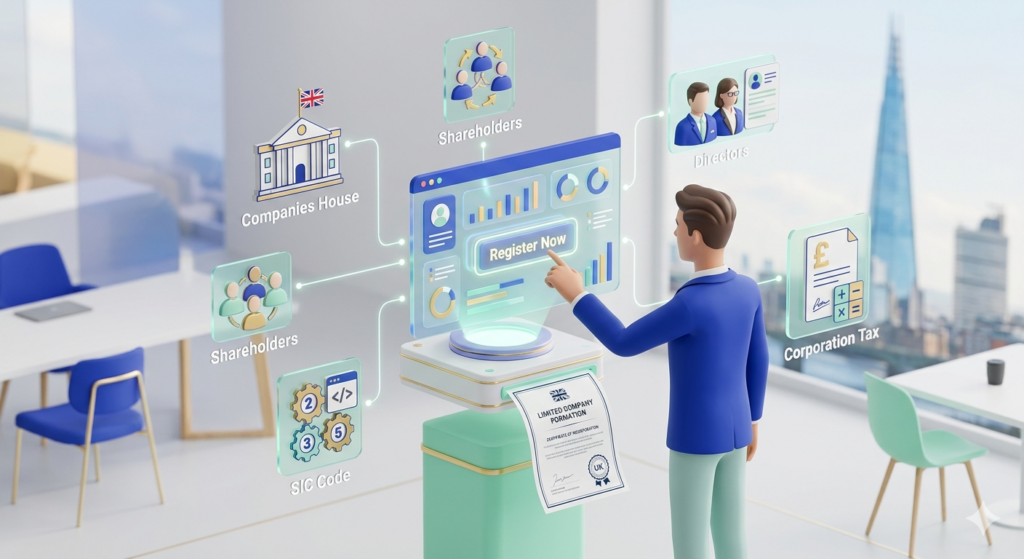
To officialise your business, you must register (incorporate) with Companies House. You will need:
- A unique Company Name.
- An official Registered Office Address (must be in the UK).
- At least one Director and one Shareholder.
- SIC Codes that describe your business activity.
3. Understand Your Tax Obligations
Once registered, your company is liable for Corporation Tax. As of April 2026, the UK corporate tax rate is:
- 19% for small profits (under £50,000).
- 25% for profits over £250,000.
- Marginal Relief for profits in between.
4. Open a Business Bank Account
Separating personal and business finances is a legal requirement for limited companies. High-street banks and neobanks like Monzo or Revolut Business offer quick integration with accounting software like Xero or QuickBooks, which is essential for Making Tax Digital (MTD) compliance.