UK Corporate Restructuring and Commercial Dispute Resolution: A Strategic Legal Guide for Directors
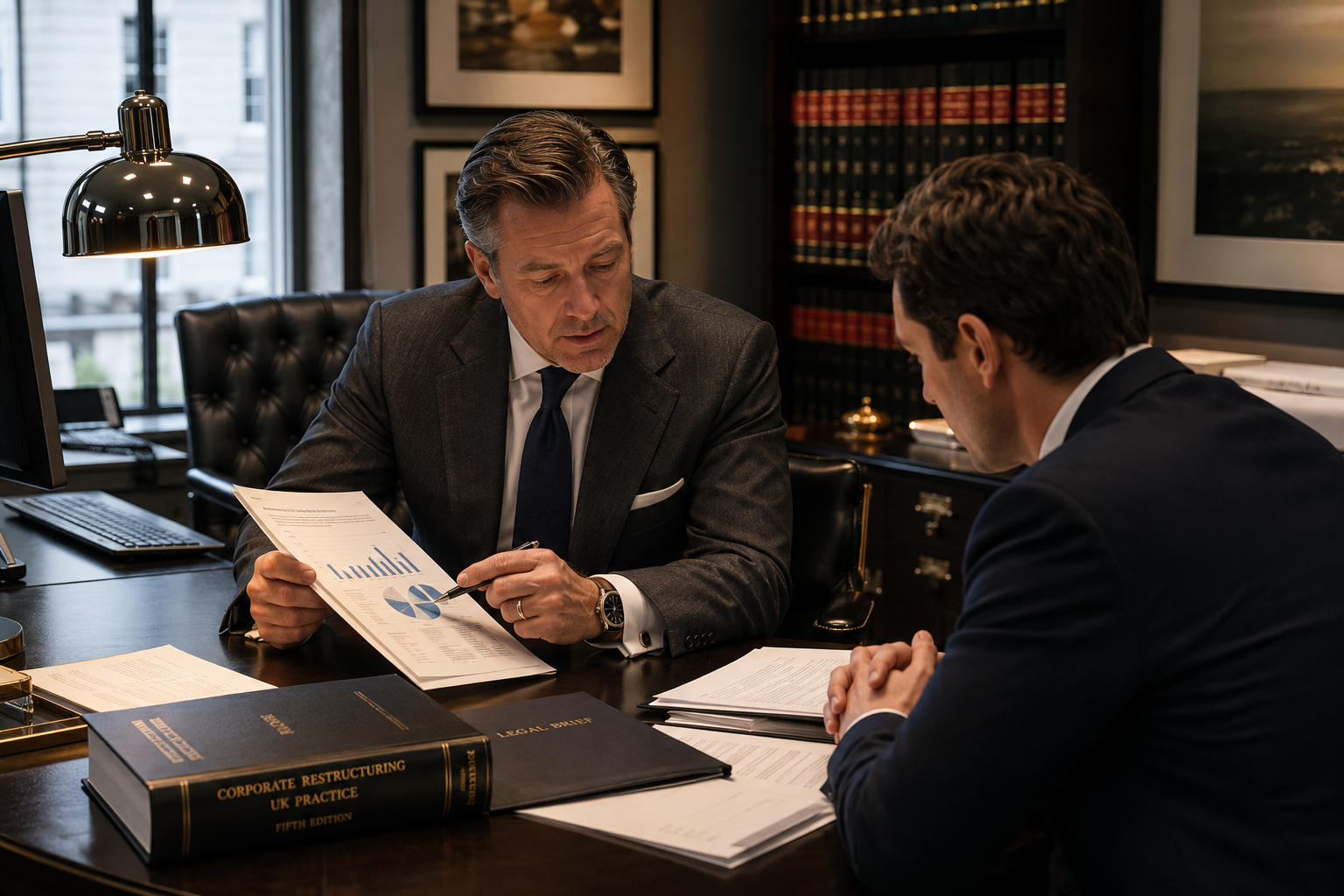
Economic fluctuations, shifting market demand, and supply chain volatility present severe challenges to business liquidity across the United Kingdom. When a company experiences margin compression or impending solvency threats, corporate directors face strict legal obligations under the Insolvency Act 1986 and the Companies Act 2006. Understanding the mechanics of business restructuring, creditor negotiations, and commercial litigation is vital to preserving enterprise value and protecting board members from personal liability.
Fiduciary Duties and Solvency Thresholds
Under UK law, when a company transitions into a state of financial distress, the primary legal duty of the directors shifts from maximizing shareholder value to protecting the interests of creditors. Continuing to trade while knowing there is no reasonable prospect of avoiding insolvent liquidation can trigger claims of Wrongful Trading or Fraudulent Trading, potentially exposing directors to personal liability and disqualification.
Key Mechanisms for Corporate Restructuring
The UK corporate legal framework offers several statutory mechanisms designed to facilitate business recovery and debt stabilization:
- Company Voluntary Arrangements (CVAs): A legally binding agreement between a company and its unsecured creditors to pay off a percentage of debt over a set timeframe, allowing the business to continue trading under the existing board.
- Administration: A legal process where a licensed insolvency practitioner (IP) takes control of the business to rescue it as a going concern, achieve a better result for creditors than immediate liquidation, or realize asset values.
- Restructuring Plans (Under Part 26A of the Companies Act 2006): A powerful tool introduced in recent years that allows companies to compromise debt with various classes of creditors through a court-approved scheme, utilizing “cross-class cram-down” mechanics.
Managing Commercial Disputes and Debt Recovery
Unresolved commercial litigation can quickly deplete cash reserves. Managing corporate disputes effectively requires a balanced approach combining formal litigation with Alternative Dispute Resolution (ADR)—such as commercial mediation and arbitration. Early legal intervention ensures that breach of contract claims, shareholder disputes, or outstanding B2B debts are handled efficiently before escalating into formal insolvency proceedings.